






Pain Management in Toronto
Experience Relief From Chronic Pain with Toronto Poly Clinic
Toronto Poly Clinic is a pain clinic with responsibility in mind. We believe in a Multidisciplinary philosophy of pain management. We specialize in Chronic Pain and its effects on the human body. Our goal is to formulate a treatment plan to bring lasting relief to our patients. The purpose of this multidisciplinary program is to improve both the physical and psychological effects of pain.
With a multidisciplinary approach we can get closer to correct diagnosis and treatment of Chronic Pain. Physical, Psychological, and Medical science can be used for diagnosis and treatment of Chronic Pain.
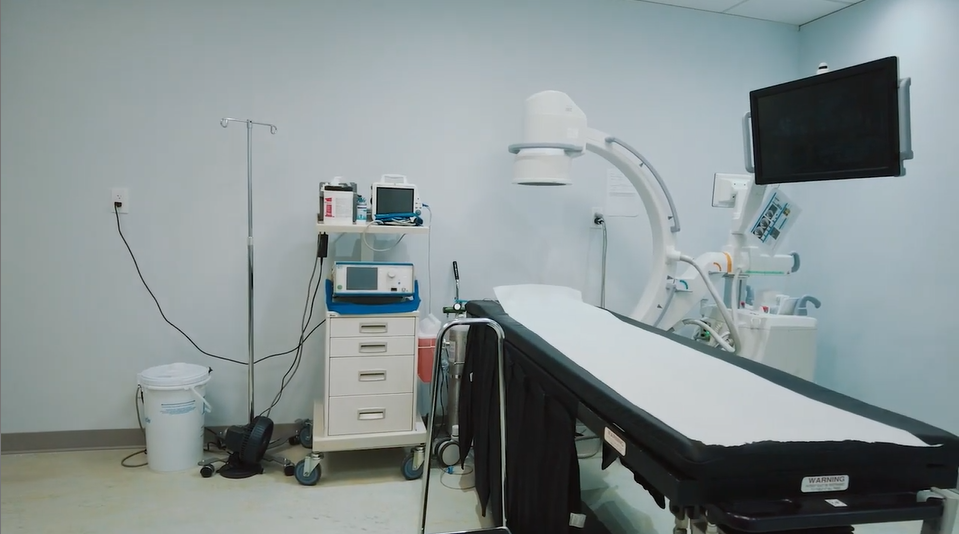
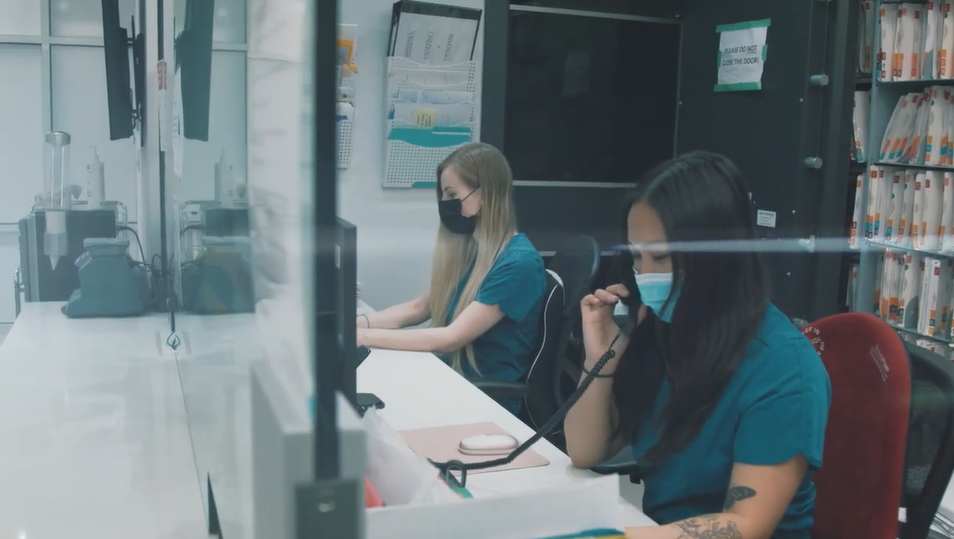

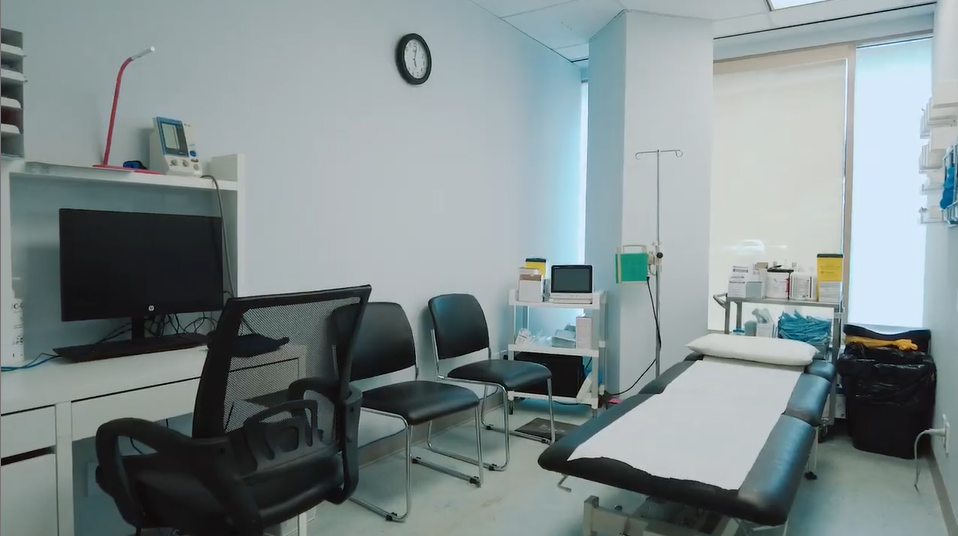

At Toronto Poly Clinic, our dedicated team is made up of caring and passionate individuals, including anesthesiologists, physical medicine and, general practice physicians with additional training in pain management, nurses, allied health professionals, and support staff. We strive to eliminate pain and improve quality of life. Your health is always our #1 priority.
We are committed as primary healthcare professionals to help our patients resume their lifelong pursuit of health and well-being.
WHOLE HEALTH is our vision.
YOUR HEALTH is our mission.
Meet Our Team
We Offer Various Chronic Pain Treatments
We are proud to offer a wide range of comprehensive services to meet the needs our patients. Our team of professional caregivers specialize in providing personalized medical care, chronic pain treatment, and wellness.
What is the purpose of the injection?
Peripheral nerve blocks are a type of regional anesthesia. An anesthetic is injected near a specific nerve or bundle of nerves to block sensations of pain from a specific area of the body.
Why do I need it?
The procedure is performed to control your chronic pain symptoms. It may also reduce associated symptoms including muscle tension and spasm, numbness and tingling in the extremities.
What is a Trigger Point?
A trigger point denotes a tender, localized, or hyperirritable spot in a muscle. This spot, which becomes painful when compressed, is part of a muscle affected by overuse, stress, or spinal issues. The resulting pain can gradually extend to other areas of the body and can influencing postures. Trigger points emerge due to traumatic tissue injury, structural problems, spinal abnormalities, whiplash injuries, degenerative disorders, viral syndromes, postural issues, and excessive muscle use.
What is the purpose of the injection?
The procedure is performed to control your chronic pain symptoms, address referred pain and enhanced functionality. It may also reduce associated symptoms including muscle tension and spasm, numbness and tingling in the extremities.
What is the purpose of this injection?
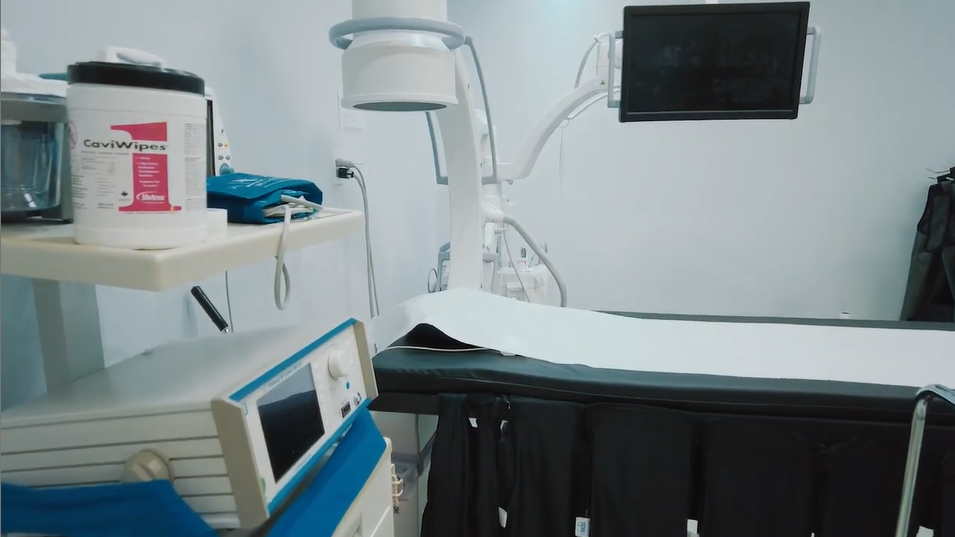
Image-guided injections serve the purpose of delivering medication precisely to a targeted area within the body, guided by imaging technologies such as fluoroscopy or ultrasound. The goal is to provide accurate and effective treatment for conditions affecting specific tissues or joints.
Why do I need it?
Image-guided injections are recommended when a precise and targeted approach to delivering medication is essential. They are commonly used to treat conditions such as joint pain, inflammation, or injuries. By utilizing imaging technology, healthcare providers can ensure that the injection reaches the intended site with accuracy, maximizing the therapeutic benefits.
What is Radio Frequency Ablation (RFA)?
RFA is a minimally invasive non-surgical medical procedure that uses an electric current to heat up a small area of nerve tissue to stop it from sending pain signals. It can provide lasting relief for people with chronic pain, especially in the lower back, neck and arthritic joints.
How does RFA work?
RFA works by generating heat through radiofrequency waves. A specialized needle is inserted near the targeted nerve, and the heat created by the radiofrequency energy disrupts the nerve's ability to transmit pain signals, providing relief for an extended period.
What types of pain conditions can RFA treat?
RFA is often used to manage chronic pain conditions such as arthritis-related pain, lower back pain, neck pain, and other nerve-related pain issues. It is particularly effective for pain arising from facet joints or spinal nerves.
How long does the pain relief from RFA last?
The duration of pain relief varies among individuals. Some patients experience relief for several months, while others may enjoy relief for longer or shorter periods of time. The effectiveness of RFA can be influenced by factors such as the specific condition being treated and individual variations.
What is an Epidural Steroid Injection (ESI)?
An Epidural Steroid Injection is a medical procedure in which a corticosteroid and often a local anesthetic are injected into the epidural space around the spinal cord. This is done to reduce inflammation and alleviate pain in the spine and surrounding nerves.
What conditions are typically treated with Epidural Steroid Injections?
ESIs are commonly used to manage pain associated with spinal conditions, such as herniated discs, spinal stenosis, and radiculopathy (pinched nerves). They are also used for pain related to conditions like sciatica and degenerative disc disease.
How do Epidural Steroid Injections work?
The corticosteroid in the injection reduces inflammation, which can help alleviate pain. The local anesthetic provides immediate pain relief, and the corticosteroid offers longer-term benefits by reducing inflammation around the nerves.
How long does it take for Epidural Steroid Injections to provide relief?
The onset of pain relief varies among individuals and the specific condition being treated. Some patients experience relief within a few days, while for others, it may take a week or more. The duration of relief varies, with effects lasting from weeks to several months.
What is Botox, and how is it used for pain management?
Botox, or botulinum toxin, is a neurotoxin that can temporarily paralyze or weaken muscles. When used for pain management, Botox is injected into specific muscles or areas to alleviate pain by reducing muscle contractions and spasms.
What types of pain conditions can Botox injections treat?
Botox injections are commonly used to treat chronic pain conditions related to muscle spasms, such as tension headaches, migraines, cervical dystonia (neck muscle spasms), and certain types of neuropathic pain.
How do Botox injections work for pain relief?
Botox works by blocking nerve signals in the injected muscles, which leads to a temporary relaxation of those muscles. This can help alleviate pain associated with muscle tension or spasms.
How long does it take for Botox injections to provide pain relief?
The onset of pain relief varies among individuals and the specific condition being treated. Some people experience relief within a few days, while for others, it may take up to two weeks. The effects typically last for several months.
How long does the pain relief from Botox injections last?
The duration of pain relief depends on the individual and the specific condition being treated. On average, the effects of Botox injections for pain management last between three to six months. Repeat injections may be needed for sustained relief.
What is Platelet-Rich Plasma (PRP) Therapy?
PRP therapy is a medical treatment that involves drawing a small amount of the patient's blood, processing it to concentrate the platelets, and then injecting the enriched plasma back into the body at the site of an injury or pain. Platelets contain growth factors that can stimulate tissue repair and regeneration.
How does PRP Therapy work for pain management?
The concentrated platelets in PRP release growth factors that promote healing and tissue regeneration. When injected into an area of pain or injury, PRP may accelerate the natural healing process, reduce inflammation, and alleviate pain.
What types of pain conditions can PRP Therapy address?
PRP therapy is commonly used for musculoskeletal conditions, such as osteoarthritis, tendon injuries (like tennis elbow or Achilles tendinitis), ligament sprains, and other joint-related pain. It can also be considered for certain chronic pain conditions.
The concentrated platelets in PRP release growth factors that promote healing and tissue regeneration. When injected into an area of pain or injury, PRP may accelerate the natural healing process, reduce inflammation, and alleviate pain.
What types of pain conditions can PRP Therapy address?
PRP therapy is commonly used for musculoskeletal conditions, such as osteoarthritis, tendon injuries (like tennis elbow or Achilles tendinitis), ligament sprains, and other joint-related pain. It can also be considered for certain chronic pain conditions.
*PRP is not covered by OHIP.
Pain is a sensory experience that is perceived by our brain cortex. All pain signals that come from anywhere in our body before reaching the brain cortex have to pass through the center of brain.
What is Pain Reprocessing Therapy (PRT)?
Pain Reprocessing Therapy is a therapeutic approach designed to address and alleviate chronic pain by focusing on the psychological and emotional aspects of pain. It involves techniques to reprocess and change the way the brain perceives and responds to pain signals.
How does Pain Reprocessing Therapy work?
PRT combines elements of cognitive-behavioral therapy (CBT), mindfulness, and other therapeutic techniques to help individuals explore and change their thoughts, emotions, and behaviors related to pain. The goal is to shift the brain's perception of pain and improve overall well-being.
What types of pain conditions can Pain Reprocessing Therapy address?
Pain Reprocessing Therapy can be applied to various chronic pain conditions, including musculoskeletal pain, neuropathic pain, and pain related to medical conditions. It is particularly beneficial for individuals whose pain has a significant psychological or emotional component.
Is Pain Reprocessing Therapy suitable for everyone with chronic pain?
Pain Reprocessing Therapy may be suitable for individuals whose chronic pain is influenced by psychological or emotional factors. It is not a one-size-fits-all approach, and the suitability of PRT is determined through an individualized assessment by a qualified healthcare provider or therapist.
How long does Pain Reprocessing Therapy take to show results?
The duration of Pain Reprocessing Therapy varies among individuals and depends on factors such as the complexity of the pain condition and the individual's responsiveness to the therapeutic techniques. Some individuals may experience positive changes relatively quickly, while others may require more extended treatment.
What techniques are used in Pain Reprocessing Therapy?
Pain Reprocessing Therapy incorporates a variety of techniques, including cognitive restructuring, mindfulness, relaxation exercises, and guided imagery. These techniques aim to address the cognitive and emotional aspects of pain perception and response.
Can Pain Reprocessing Therapy be used alongside other pain treatments?
Yes, Pain Reprocessing Therapy can be integrated into a comprehensive pain management plan. It can complement other treatments such as medication, injections, physical therapy, and medical interventions. The combination of approaches is often tailored to the individual's specific needs.
What is Prolotherapy?
Prolotherapy is a non-surgical treatment that involves injecting a natural irritant solution into damaged ligaments, tendons, or joints. The goal is to stimulate the body's natural healing response and promote the repair of weakened or injured connective tissues. It is shown to be effective in reducing pain by strengthening ligaments and supporting joints.
How does Prolotherapy work?
The injected solution, often a mixture of dextrose (a type of sugar) and a local anesthetic, triggers a controlled inflammation at the injection site. This inflammation stimulates the production of collagen and other healing factors, strengthening the damaged tissues and promoting long-term pain relief.
What conditions can Prolotherapy treat?
Prolotherapy is commonly used to address chronic musculoskeletal pain conditions such as osteoarthritis, ligament laxity, tendinitis, and joint instability. It is often considered for areas where the connective tissues have been weakened or damaged.
The Toronto Poly Clinic Medical Cannabis program began in 2013. With a focus in chronic pain management, we have helped a number of patients learn how to utilize medical cannabis in a safe, and responsible way. Our program offers regular physician guided prescriptions, as well as patient education. We strive to make the registration process as easy as possible for our patients. We understand that navigating this industry can be overwhelming. Our easily accessible educational support staff, in combination with frequent patient follow up visits are what sets our program apart from the rest.
In 2017, 4000 Canadians lost their lives because of opioid overdose.
In order to address this crisis, Dr. Rod has developed a program for opioid reduction with proper use of medical cannabis along with psychological support. The focus of this program is on patient education leading to behavioral change. This program is accepted for presentation at the Ontario Ministry of Health and Long-Term Care, University of Toronto DFCM scientific conference, Ontario Medical Association AGM scientific program, and the World Cannabis Congress.
We are accepting new patients for our Medical Cannabis Program.
What Our Patients Are Saying
I have been a patient at the Toronto Poly Clinic with Dr. Kevin Rod for over 10 years. I have spent my life in and out of hospitals with numerous specialists but Dr. Rod is definitely my favorite. Dr. Rod has literally saved my life. He is excellent in his treatment and committed to his patients. The combination of injections and medication has made it possible for me to take care of my kids, my home and volunteer in my community. Dr. Rod goes above and beyond to help me cope with chronic pain to have the best quality of life. Dr. Rod is an extraordinary doctor with a heart of gold.
This was my first visit, office was professional and quick, my name was called after only waiting 5 minutes. Dr. Rod made me feel very comfortable and he is very professional, friendly (especially for a nervous patient like myself) and helpful. He gave me options and did a procedure right away (chatting with me to distract me) and I didn’t have to rebook. Definitely would go back and see him again, anytime that I need to and I have great confidence in his abilities. Don’t think you could find anyone better!
I am so grateful for this clinic, especially for Dr. Dao. I came with the worst back pain and I lost all hope that I would ever feel better. Dr. Dao is a very friendly and helpful doctor, he has helped me with my physical pains and has helped me feel better mentally. He is very supportive and considerate of my complaints. He sent me to many specialist who he thought can help me with my problems. I still go to this clinic and highly recommend it to everyone. I wish all the best to Dr. Dao and all the staff in this clinic.
When I came here I almost lost hope and happiness with my pain. But, after I met Dr. Ashtarani who is awesome, friendly, a wonderful listener, my life’s totally changed. I can go back to work and gradually I can fight with my pain.
It brings me happiness and hope again.
Thank you Dr. Ashtarani.
Sometimes chronic pain can begin without any obvious cause. But for many people, it starts after an injury or because of a health condition. Some of the leading causes include: past injuries or surgeries, back problems, migraines and other headaches, arthritis, nerve damage, infections, and Fibromyalgia.

We advocate positive reinforcements and coping skills, pain management education and life style adjustments, nutritional consultations and alternative medicine, homeopathy and naturopathy consultations are available for appropriate use.
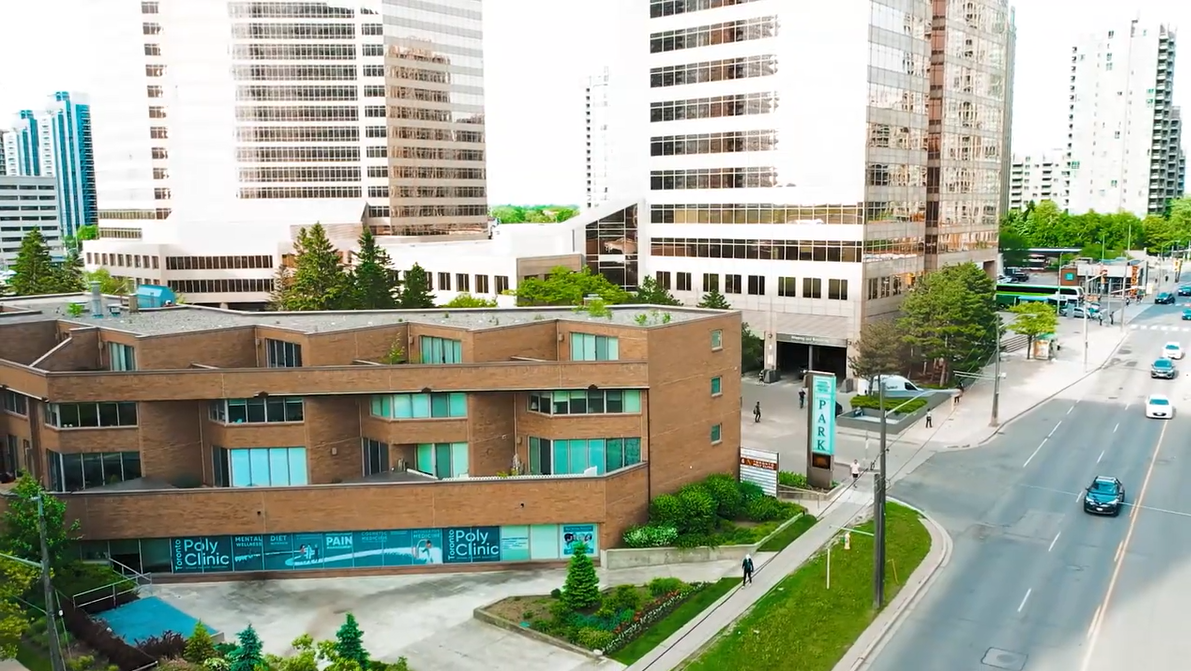
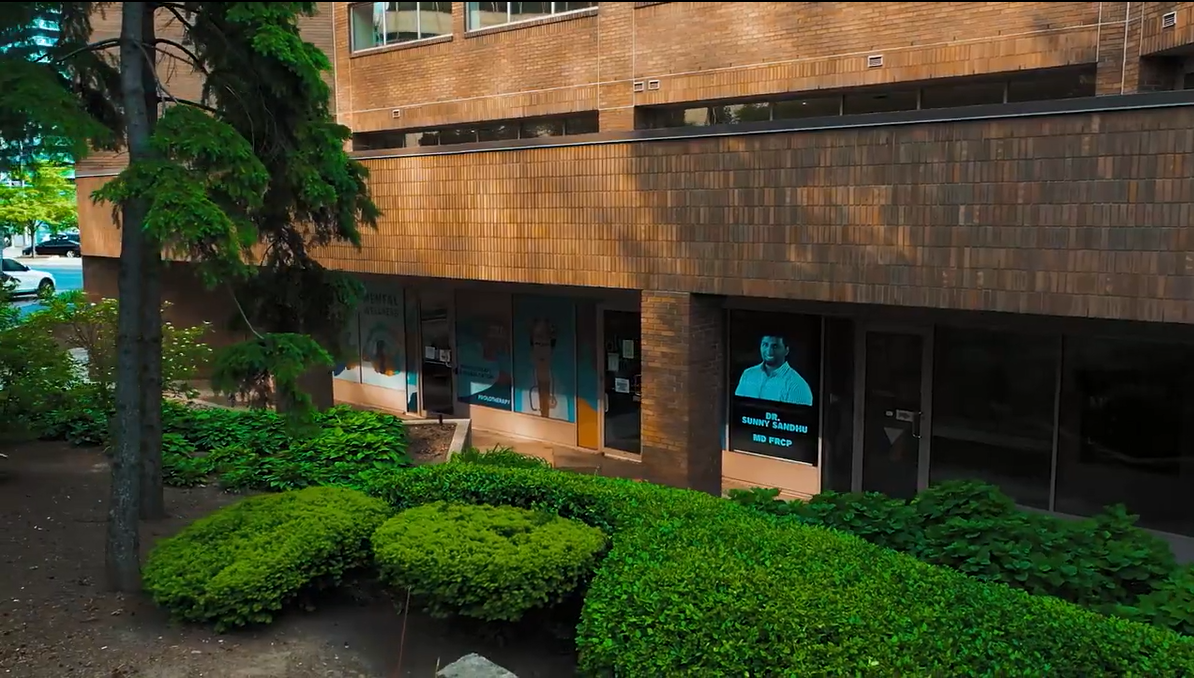
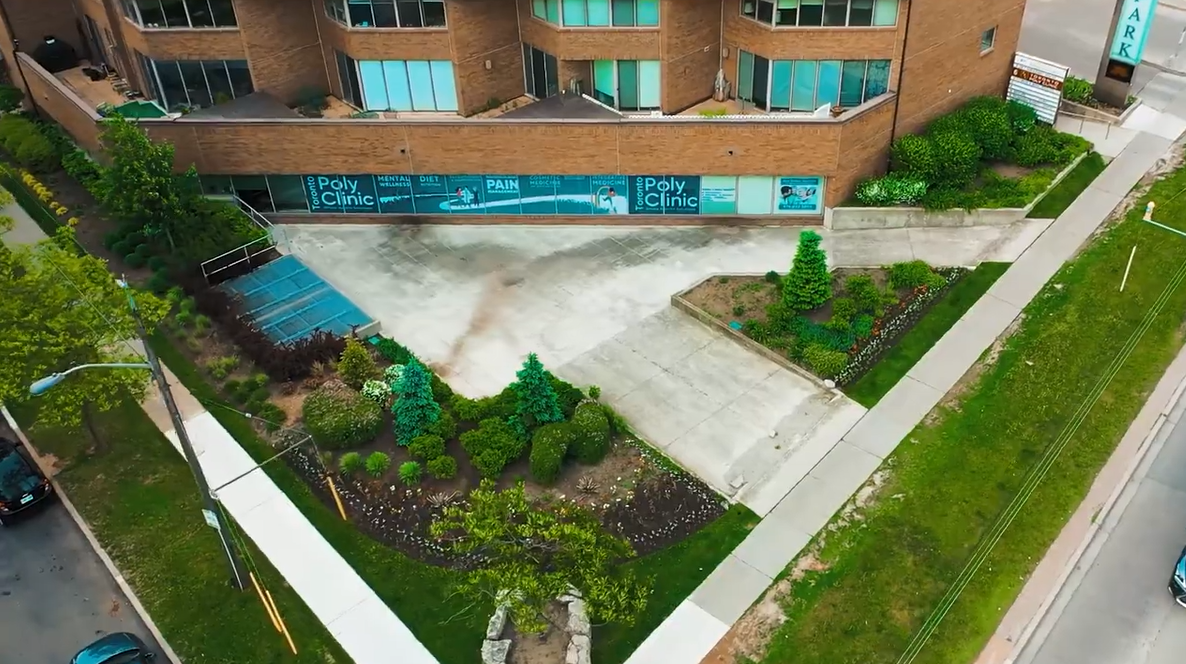
We have two convenient locations in North York and Thornhill and we serve patients from all over the GTA, including Toronto, Richmond Hill, Brampton, Mississauga, Thornhill, Vaughan, Oakville, Scarborough, Markham, North York, and Newmarket.
